

Kangaroo As A Resource
The Kangaroo: A National Resource Respected Across All Nations
CONTENTS
Ask Aboriginal people across Australia what they think about the kangaroo, and you will get a remarkably consistent answer. Not because anyone has told them what to say, but because the knowledge runs deep, across every language group, every region, and every generation.
Mark Koolmatrie has no hesitation on this point.
"What doesn't change is the importance of kangaroo. Wherever you are, it is a national way of us looking at it. So today we look at it nationally. However, it is a proper tribal way, where these groups all around Australia, on the whole nation that is called Australia today, have all utilised the kangaroo for food, for other resources, and they know what food the kangaroo needs and how to look after the environment to ensure that this food source and this resource source is there for them."
This is not a modern position adopted for convenience. It is ancient, practical knowledge that has been carried across tens of thousands of years and across the full breadth of the continent.
Near-Universal Agreement
Mark is careful and precise when he speaks about the level of consensus among Aboriginal people on the kangaroo as a resource. He acknowledges that no community is monolithic, and that dissenting voices exist. But he is also clear about the scale of agreement.
"I don't know the exact percentage, but I would say ninety-eight percent probably of Aboriginal people all agree that the kangaroo is a resource. We will all agree the importance of eating kangaroo as a food source. We all agree of utilising all of the kangaroo for resources, whether or not it's the bones to be able to help us, in our case, to weave or whatever. The food source, everything is utilised within the kangaroo."
That phrase, "everything is utilised," is not incidental. It speaks to a philosophy of harvest that wastes nothing and recognises the full value of the animal. The kangaroo is not only meat. It is food, material, and resource in the broadest sense.
On the minority who hold a different view, Mark is equally clear and equally respectful.
"There is this minute percentage of our people who will say that no, we shouldn't be eating kangaroo. And they're entitled if they don't wish to eat the kangaroo, no one's forcing them. And they are right to put forward their values. However, the majority of people are saying, well, that's your opinion, and you're right to say, I don't want to do that. But the majority of people need the kangaroo as a food source in particular."
The Rabbit: A Lesson in Economic Resourcefulness
To understand how Aboriginal people have always viewed wild game, it helps to look beyond the kangaroo. Mark shares a vivid account of how his father and uncles approached rabbit hunting, not just as a means of feeding the family, but as an early form of participation in the broader economy.
"My dad, and a number of my uncles and grandparents, they were big rabbit hunters. What they would do is source the rabbits. They would not only use that food source, but they'd also pair them up and sell them to the rabbit man. He'd come along and that's how they'd make some money."
The arrangement was a genuine exchange, with the rabbit buyer bringing goods in return.
"The man that would come and buy the rabbits, quite often what he would do in the campsites, he would bring powdered milk, he'd bring a few other different food sources, some fresh vegetables, some fruit. He'd bring that and then he would look and say, okay, you can have all of that, I'll take your rabbits, I'll buy them off you, and let's deduct what it cost me for all those other food sources. Then what we'll do is I'll give you the rest in money."
For families living in circumstances where access to mainstream food supply was limited, and income was scarce, this was not a small thing.
"The rabbits were allowing people to not only eat something when food like lamb and mutton and beef had become too expensive when you're getting no money in at all in the early days. So by doing this, these rabbits, even though they're not native, they provided so much. They provided food for us but they also provided an income."
The Kangaroo as Income: A Right, Not a Privilege
It is from this history that Mark draws a direct line to the present day and to the commercial kangaroo industry.
"This is what we see with the kangaroos. Not only do they provide a food source, they also provide an income. And no one has a right to say to somebody, you're not welcome to make an income. We live in Australia, a fair go for everybody. So no one has a right to stop somebody, for as long as it's a legal approach, from making a quid legally."
This framing is important. For Mark, the right to harvest kangaroo commercially is not a departure from Aboriginal values. It is an extension of them. The same logic that sent his father out trapping rabbits to feed the family and trade for goods applies today to the broader wild game industry. Economic participation through the harvest of wild game is something Aboriginal people have always understood and always practised.
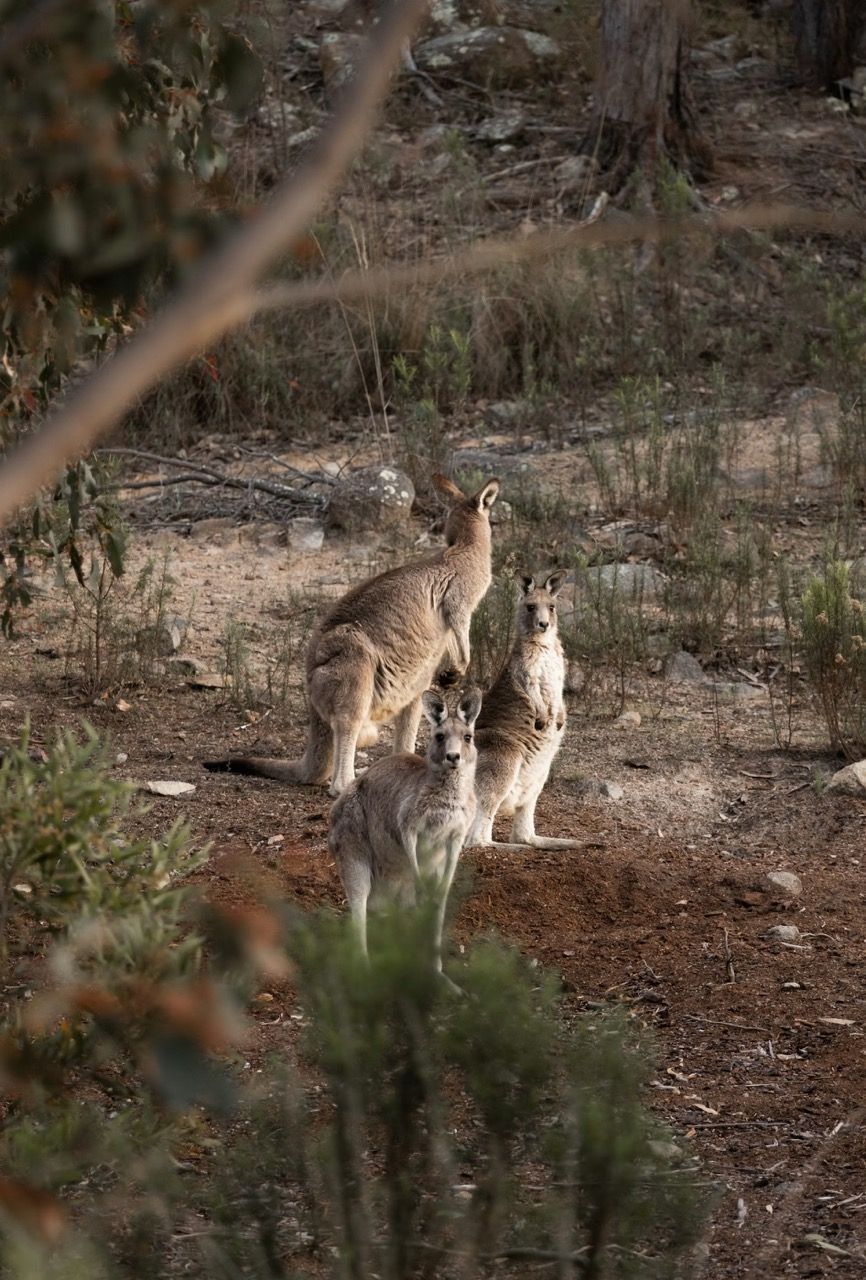
The kangaroo, in this sense, has never been just an animal. It has been a provider, a partner, and a resource that Aboriginal people have managed, respected, and relied upon for longer than any other culture in Australia.
That relationship has not changed. What has changed is the scale of the opportunity to recognise and honour it.
This article is part of a series produced by the Australian Wild Game Industry Council, drawing on conversations with Mark Koolmatrie. Mark is a proud Tribal Man from Southern South Australia, Munkanboli (a First Nations figure of wisdom and knowledge) and Kool Tours Founder. He has cultural authority on matters of country, wild game, and First Nations knowledge systems.
MORE INSIGHTS