


an AWGIC FACTSHEET

IS IT IMPOSSIBLE TO ACCURATELY TARGET KANGAROOS AT DUSK?

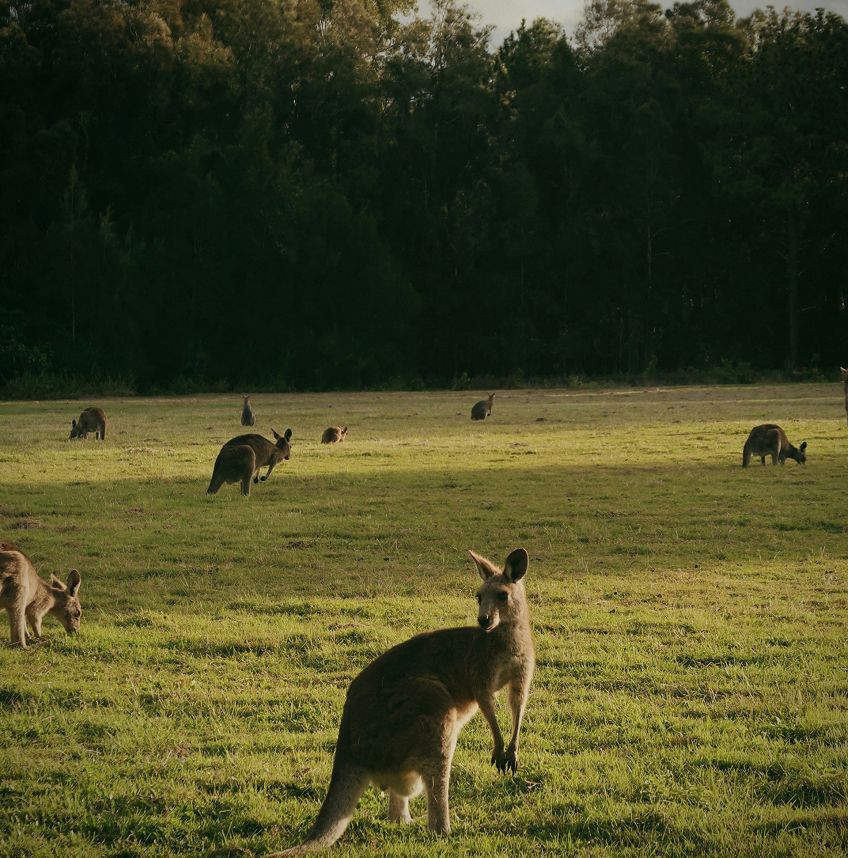
No. Commercial kangaroo harvesters must pass a proficiency test every five years to prove they can meet the requirements of the National Commercial Code of Conduct, which outlines the appropriate conditions, equipment and method for harvesting kangaroos humanely. The vehicle must be still, and the kangaroo be within a certain range and standing upright. Dusk is optimal because it is when kangaroos feed.

ARE HARVESTERS BREAKING THE RULES WITHOUT US KNOWING?

Not commercial harvesters. Provisions are in place to prevent and monitor compliance with animal welfare, conservation and food safety regulation. For harvesters to sell the kangaroos they harvest, they must have a licence and fully tag and record every animal. Food safety data is also recorded at each step. The data and animals are regularly audited by government inspectors.

ARE THERE ANY RISKS WITH EATING KANGAROO?

No. Kangaroo meat is lean, nutritious and tasty. The industry adheres to Australia's tough food safety standards and those of its export markets. This includes requirements around the harvester vehicle vehicle hygiene and refrigeration times. The meat undergoes third-party food safety inspections and NATA accredited testing before being passed fit for human consumption. Like most red meat, it is advised to cook it.

MORE INSIGHTS

THE ETHICS BEHIND EVERY HARVEST
ETHICS & WELFARE

WHY SCIENCE SETS OUR QUOTAS
Regulation & Standards

FROM LAND TO LIVELIHOOD
COMMUNITIES & JOBS
THE SCIENCE BEHIND SUSTAINABLE HARVESTING
REGULATION & STANDARDS
Lorem ipsumLorem ipsumLorem ipsumLorem ipsum Lorem ipsumLorem ipsumLorem ipsumLorem ipsumLorem ipsumLorem
THE FREE-RANGE MEAT YOU’VE NEVER TRIED
NUTRITION & SUSTAINABILITY